
Warehousing Study
Overview
The Regional Warehousing Land Use & Traffic study will help state, regional, and local policymakers better understand the challenges and opportunities presented by the growth in e-commerce and associated warehousing and distribution/logistics centers. The study will help provide critical data for assembling appropriate policy responses for transportation, land use planning, and economic development professionals.
Study Update
- Work kicked off in February 2025 with an advisory committee coming together to oversee the work being done, made up of key stakeholders like elected officials, Department of Transportation staff and other municipal staff. The final study is expected to be complete by Spring 2026.
- Kick-Off Meeting slides (2/26/25)
- Economic/Market Analysis – Read here.
- Warehouse Pipeline Location and Zoning Map – View here.
About the Study
Despite the explosive growth in e-commerce, policymakers lack critical details on trip generation, greenhouse gas emissions, local and regional impacts on brick-and-mortar retail, and transportation infrastructure and land development needs for warehouse and distribution centers. There is a lack of data on deliveries in defined geographies and whether e-commerce is creating additional trips or replacing trips. Warehousing and distribution centers are being sited closer to consumers, increasing demand for industrial real estate.
There has not yet been an effort to comprehensively study the regional warehousing landscape and its associated impacts on transportation, land use, and economic development. A study is needed to help state, regional, and local policymakers better understand the challenges and opportunities presented by the growth in e-commerce and associated logistics and warehousing centers. CRCOG’s Regional Warehousing Land Use and Traffic Study will provide critical data for assembling appropriate policy responses for transportation, planning, and economic development professionals.
Study deliverables will include:
- Market analysis of the warehousing/logistics/e-commerce sector
- Projected Future Demand and Potential Sites for Warehousing and Distribution Centers in the CRCOG region
- Guidance on Traffic Impact Analyses for Warehousing Developments
- Special Considerations for Delivery Vehicles
- Regional Truck Parking Recommendations
- Best Practice Guide for Proposal Review
Advisory Committee
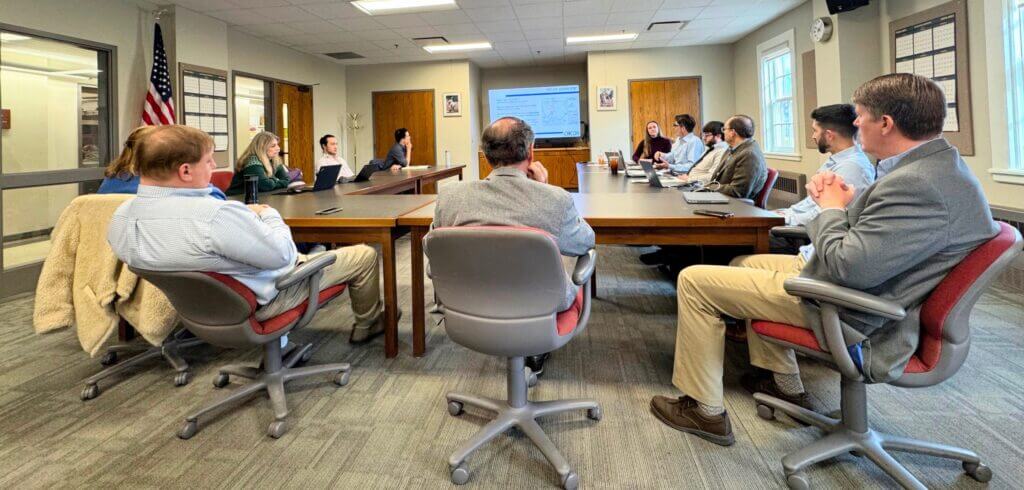
A Project Advisory Committee has been established to provide guidance to the project team in defining goals and guiding principles for the study. The Committee will help identify major challenges and concerns for large-scale warehousing developments, both technical and related to community sentiment. The Committee consists of officials from the municipalities of Bloomfield, East Granby, East Hartford, Enfield, Manchester, South Windsor, Willington, and Windsor.
E-Commerce Last-Mile Analysis Tool
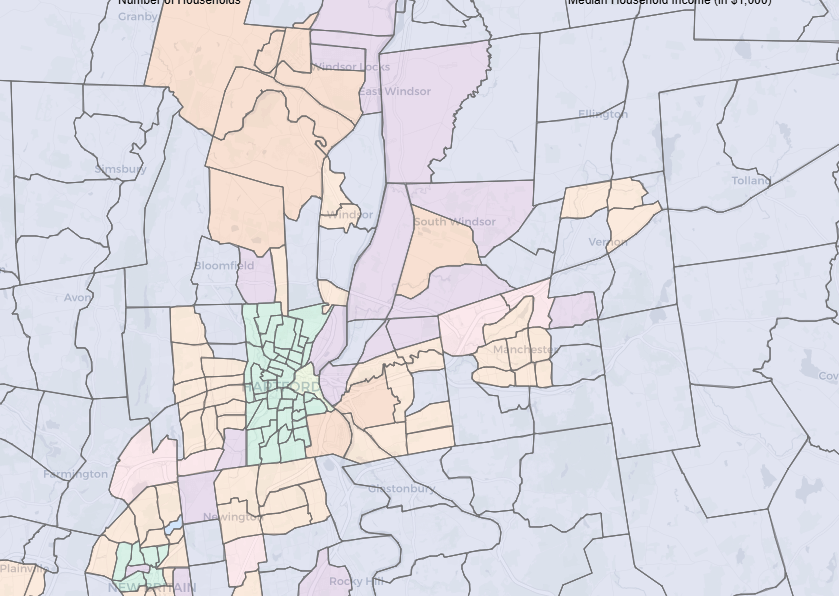
As e-commerce continues to expand, efficient last-mile delivery—supported by strategically located fulfillment and distribution centers—has become critical for businesses and consumers alike. While fulfillment and distribution centers serve distinct operational roles in the supply chain, they are used interchangeably in this application to represent key nodes in the regional delivery network.
This application provides an interactive look at the locations of major e-commerce fulfillment and distribution centers and provides a methodology for analyzing Vehicle Miles Traveled (VMT) in the CRCOG region, offering context for planning, policy, and economic development.
Warehousing Economic Market Analysis
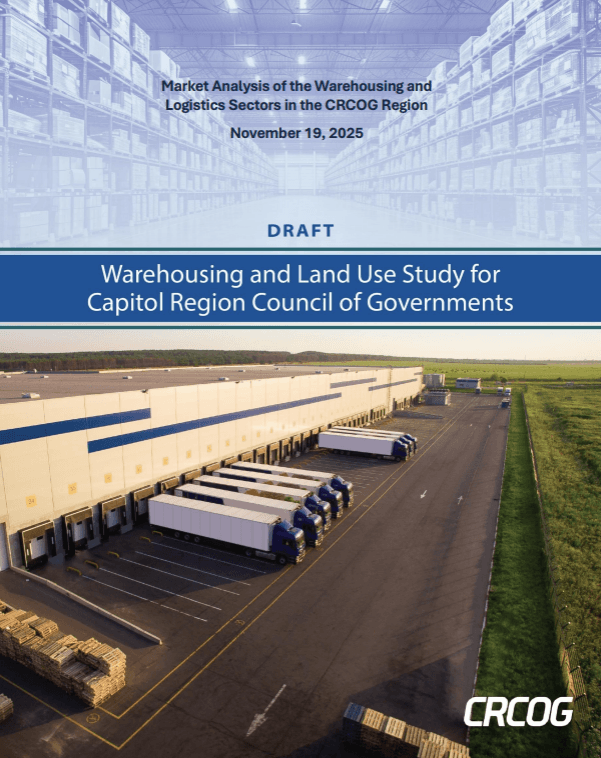
A more decentralized, rapidly expanding e-commerce market has brought substantial changes to warehousing land-use practices. This document details the recent trends in industrial activity space in the CRCOG region and demonstrate the need for an economic analysis that estimates future growth and development.
Mapping
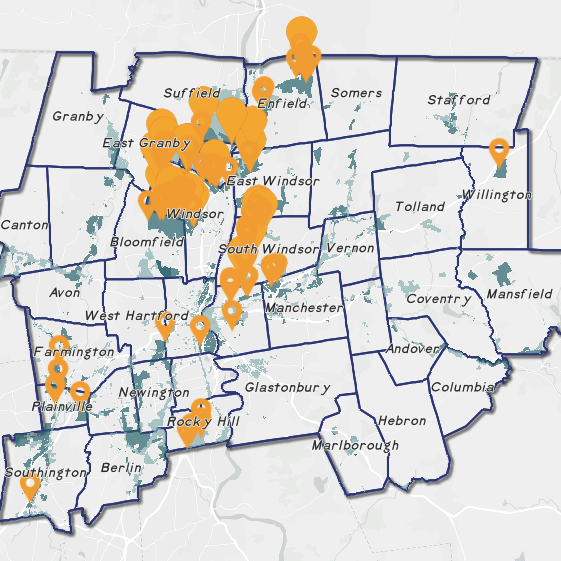
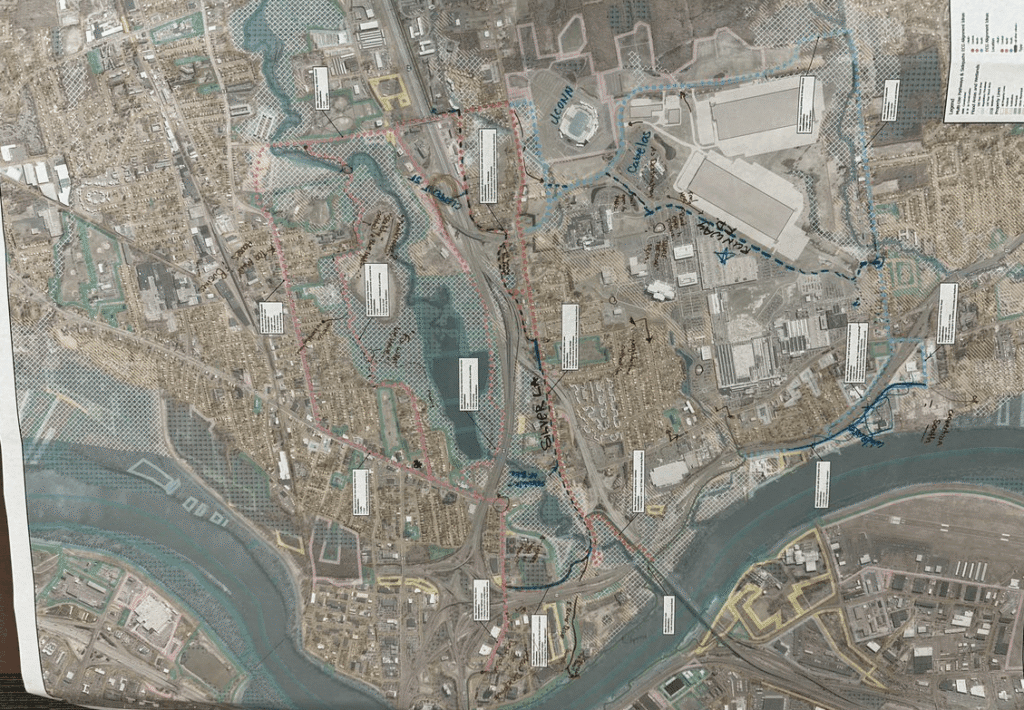
To better understand future demand and the pipeline of upcoming proposed warehousing and logistics developments, the project team conducted interviews with municipal planning and economic development staff, developers and real estate brokers. This map represents the current snapshot of likely future warehousing sites in the region.
Stay Informed
If you have any comments or suggestions on the study, please contact Principal Planner Kyle Shiel: kshiel@crcog.org (kshiel at crcog dot org).