
Open Space
Overview
With reduced statewide forest cover (-6.5%), significant regional farmland loss (-85%), and Heat Stress emergency visits on the rise over the last 10 years, as reported in CRCOG’s 2024-2034 Plan of Conservation and Development (POCD), protecting open space is crucial for counteracting development disbenefits and preventing natural resource degradation. Open space provides numerous benefits for people and the planet, including clean air and water, healthy soils conservation, increased flood and natural hazards resiliency, improved health from outdoor recreation, and reduced urban heat island effect. The total amount of open space acquired across the state has increased since 1998, but the percentage of open space being acquired each year is stagnating.
The State established a statutory goal to protect 21% (673,210 acres) of Connecticut’s land base as open space by 2023 (CGS Section 23-8). The Connecticut Department of Energy and Environmental Protection (DEEP) is responsible for obtaining 10% (320,576 acres) of the total open space goal, while 11% (352,634 acres) shall be held by DEEP land conservation partners, including municipalities, non-profit land conservation organizations, and water companies. With a combined 517,511 acres (76.87% of total goal) held by DEEP and its partners at the end of 2023, an additional 155,699 acres must be protected to reach the 21% open space threshold.
What is Open space
Preparing for the Connecticut Comprehensive Open Space Acquisition Strategy (Green Plan) update, DEEP has recently developed a new open space definition. The updated definition is designed to track progress towards the 21% open space acquisition goal.
Open space is undeveloped land that is permanently protected from future development through:
- conservation restrictions that are held by a qualified conservation organization.
- in-fee ownership by a qualified conservation organization or water company.
Open space must be protected for one of the following purposes:
- To maintain or enhance the conservation of natural or scenic resources
- To protect natural streams or a water supply
- To promote healthy soils
- To promote the conservation of wetlands, beaches or tidal marshes
- To enhance public outdoor recreation opportunities
- To preserve historic property or agricultural lands
Open Space takes many forms. Check out some examples below:
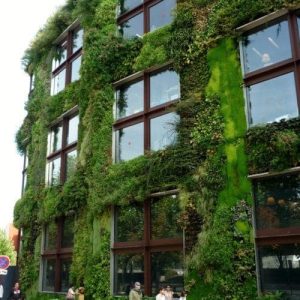
Biophilic Design
Biophilic design aims to make nature more accessible by “greening” the built environment. Many biophilic concepts relate to smart growth by promoting nature-based solutions that mimic natural ecosystems, enhance air and water quality, and increase climate resilience. Urban forestry, street greenery, green roofs and walls, stream daylighting or restoration, and nature-based stormwater management represent some examples of biophilic design.
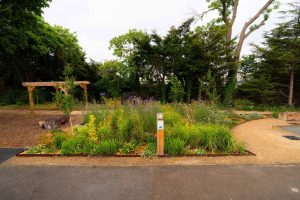
Pocket Parks and Small-Scale Open Spaces
While open space protection tends to skew towards acquiring large, forested areas, small-scale pocket parks and gardens should not be overlooked from open space efforts. In urban communities that lack green space, underutilized lots and remediated brownfield sites converted to open space may increase food and outdoor recreation access more directly than open space protected in inaccessible or remote areas.
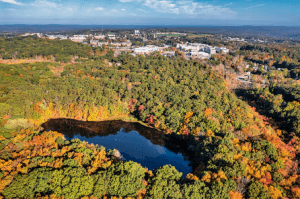
Large Scale Open Space Preservation
The Capitol Region hosts a vast collection of natural resources, scenic views, ecologically rich forests and other green assets that provide the foundation for the region’s charm and attraction. Parks, protected forests, and wildlife management areas all meaningfully contribute to open space in the region. This type of open space preservation conserves the most amount of directly connected land and creates important greenways and habitat for native wildlife. As the Capitol Region moves forward, it is important to continue to balance development with land conservation to maintain the identity, attraction and wellbeing of the region.
Environmental Benefits
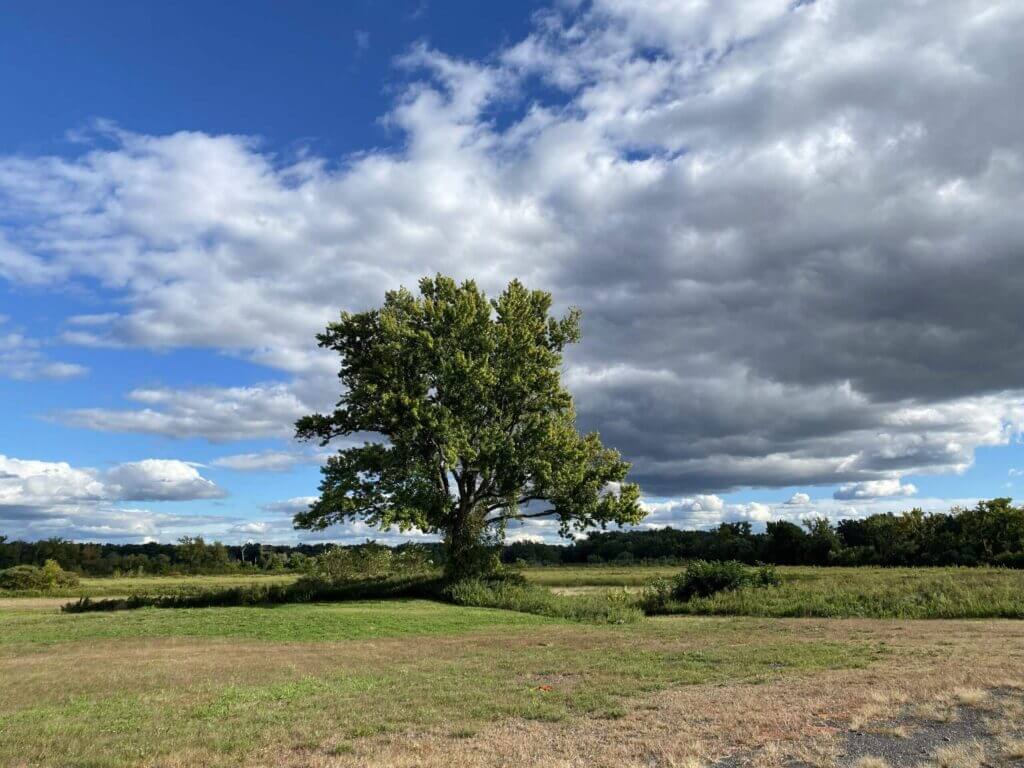
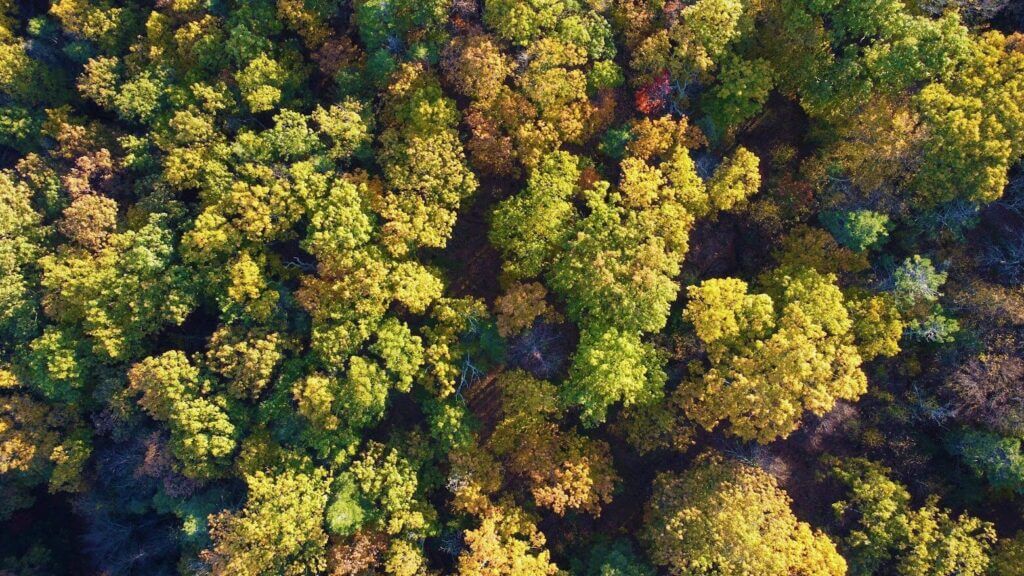
Open space consists of forested, agricultural, grassy, or other vegetated lands. Key ecological functions, such as natural flood control, water infiltration, erosion reduction, and carbon sequestration are maintained through open space acquisition. Development near wetlands, watersheds, coastal areas and other environmentally sensitive areas can hinder these ecological functions, having acute impacts on local ecosystems.
DEEP’s 2016-2020 Green Plan addresses this concern by identifying these open space acquisition priorities:
1) Natural Waters and Drinking Water Resources: Acquisition of core forests adjacent to prioritized streams, groundwater aquifer recharge areas, and drinking water resources.
2) Areas Significant to the Coast: Acquisition of coastal areas contiguous to existing protected open space, tidal marshes, or lands with potential to expand coastal public access.
3) Natural Heritage Resources: DEEP defines natural heritage resources as lands with unique ecological and geological features that support endangered and threatened species by providing critical habitat. Open space that protects grasslands, cold water streams, inland wetlands, or other critical habitats threatened by climate change and fragmentation is prioritized for natural heritage resource conservation.
Economic Benefits
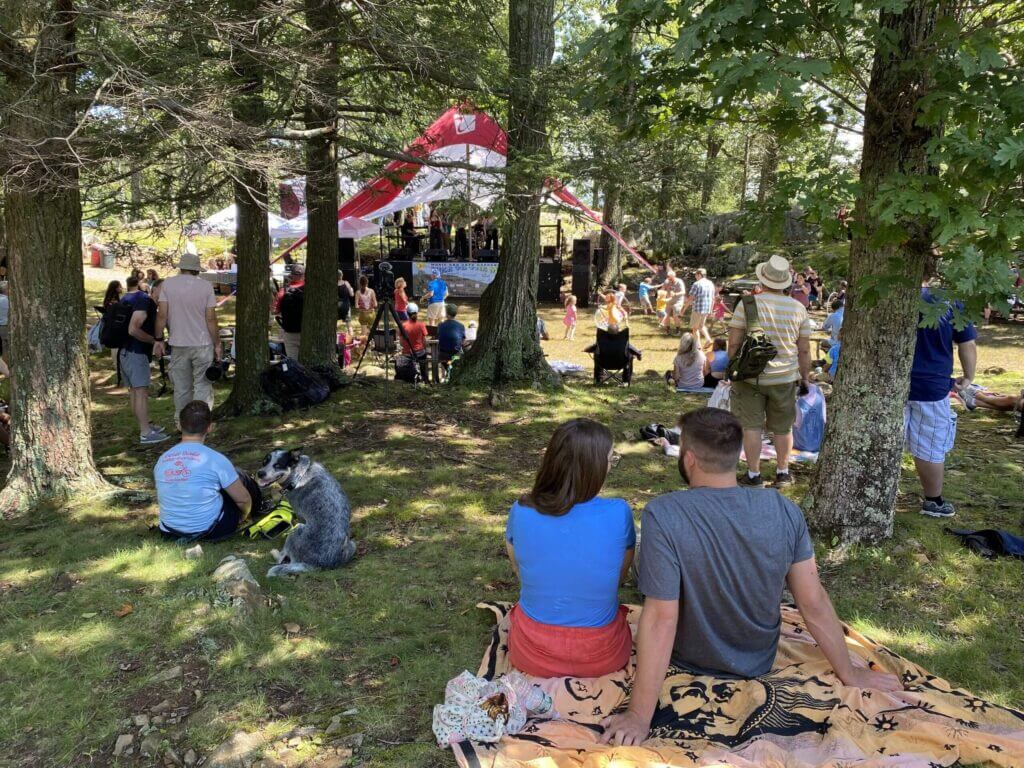
CRCOG’s 2024 Plan of Conservation and Development (POCD) recognizes the need to cultivate spaces that connect people to nature and their community, detailing three strategies to achieve this goal:
1) Promote open space as a community, cultural, economic, and health asset, in addition to its common use for protecting natural resources.
2) Connect the region’s open space through a regional greenway system.
3) Integrate natural features (biophilic concepts) into development.
Community Benefits
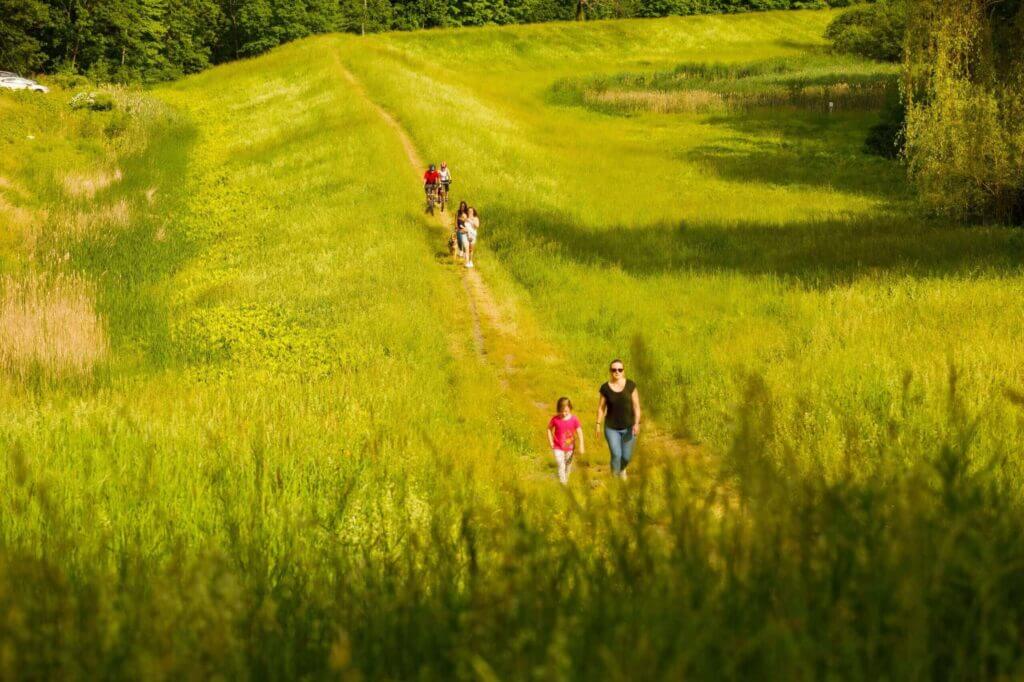
With more people partaking in outdoor recreation and seeking community via outdoor activities post-pandemic (i.e. running clubs, hiking groups, intramural sports leagues etc.), open spaces are necessary for facilitating social connection. Blurring the lines between open space and developed areas is pivotal to rewilding our surroundings and reaping the social, physical, and mental health benefits open space provides.
Development must be balanced with conservation in order to protect our region’s natural resources and landscapes. The plan outlines ways to achieve this balance by connecting people to open space, integrating nature into the built environment, and creating a sustainable regional food system, among other topics. Climate mitigation and adaptation strategies are discussed at length, with greenhouse gas emissions reduction being an integral step towards climate resilience.
Making Open Space Accessible for All
Open space accessibility is highlighted as a priority in CRCOG’s POCD and DEEP’s Green Plan respectively, yet open space access and distribution remains uneven. Only 47% of Hartford residents reported being satisfied with nearby parks and open spaces in 2021, compared to 81% of regional residents who reported having access to “good parks”. Open space has the potential to offer outdoor places for recreation, enjoyment, environmental education, and community gardening if accessible to city residents.
Redlining, segregation, and discriminatory development patterns have left a legacy of green space loss, low tree canopy cover, and limited or lower-quality recreational opportunities for residents living in urban cores. Low-income, Black, Indigenous, People of Color (BIPOC), and disabled communities face disproportionate barriers to accessing nature and participating in outdoor recreation. With many large tracts of open space in rural areas only accessible by car or several outdoor activities being cost-prohibitive, some communities have less time, opportunity, and disposable income to enjoy the outdoors. To make open space equitable and accessible for everyone, we must strive for protecting and restoring open space in densely populated areas, increasing open space access by providing reliable transit to and from destinations, and creating ADA accessible trails, walkways, and spaces wherever possible.
State Resources and Funding
Please see the CRCOG POCD and state resources linked below.
National Resources
Please see national resources linked below.